Main offices and laboratories are located on the University of Illinois Urbana-Champaign campus, but PRI scientists work throughout Illinois. Field stations, satellite offices, and monitoring sites support long-term research, hands-on student training, and service to communities, agencies, decision-makers, and the general public.
Headquarters & Main Offices
Prairie Research Institute Headquarters
Contact the Executive Director’s Office for general questions about the Prairie Research Institute.
Natural Resources Building
615 E. Peabody Drive
Champaign, IL 61820
Learn more about the history of the Natural Resources Building.

Illinois Natural History Survey Main Office
The Illinois Natural History Survey studies the plants, animals, and ecosystems of Illinois.
Forbes Natural History Building
1816 S. Oak St., MC 652
Champaign, IL 61820
Visit the Illinois Natural History Survey.
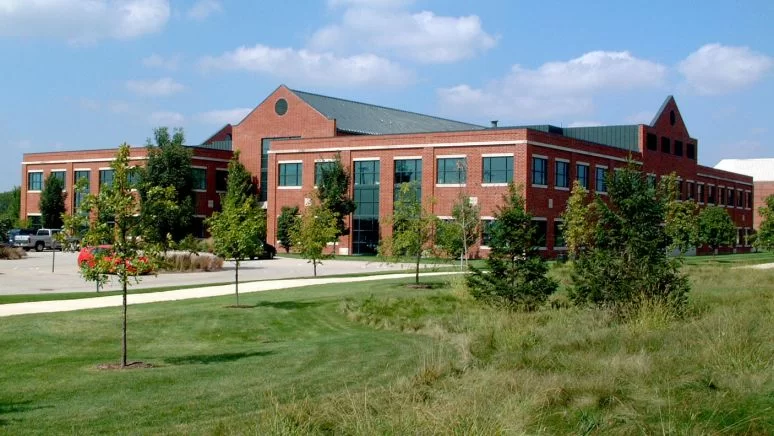
Illinois State Archaeological Survey Main Office
The Illinois State Archaeological Survey studies, protects, interprets, and shares information about archaeological and cultural resources in Illinois.
23 Stadium Drive
Champaign, IL 61820
Visit the Illinois State Archaeological Survey.
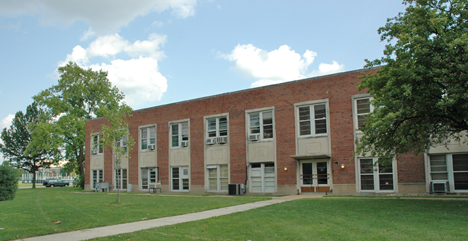
Illinois State Geological Survey Main Office
The Illinois State Geological Survey provides earth science research and service for Illinois industries, agencies, and residents.
Natural Resources Building
615 E. Peabody Drive
Champaign, IL 61820
Visit the Illinois State Geological Survey.
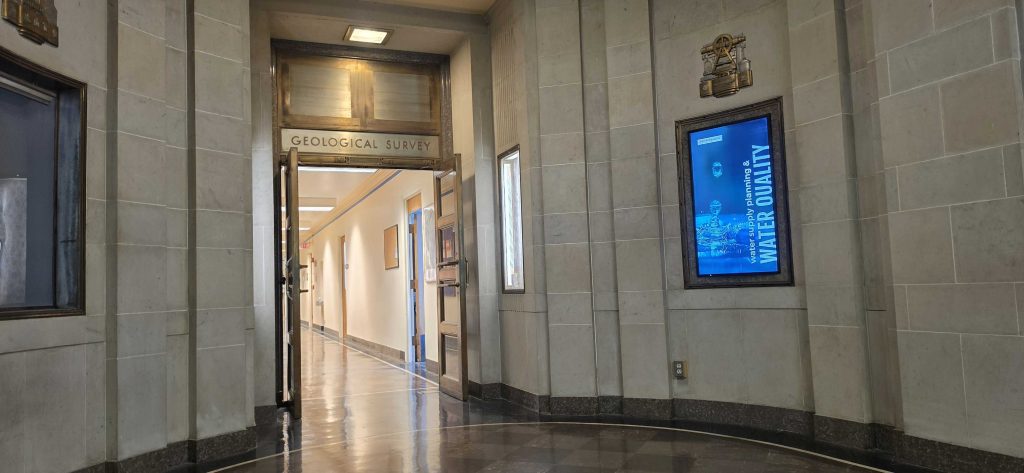
Illinois State Water Survey Main Office
The Illinois State Water Survey studies water, weather, climate, and environmental conditions that affect people, communities, and natural resources across Illinois.
2204 Griffith Drive
Champaign, IL 61820
Visit the Illinois State Water Survey.
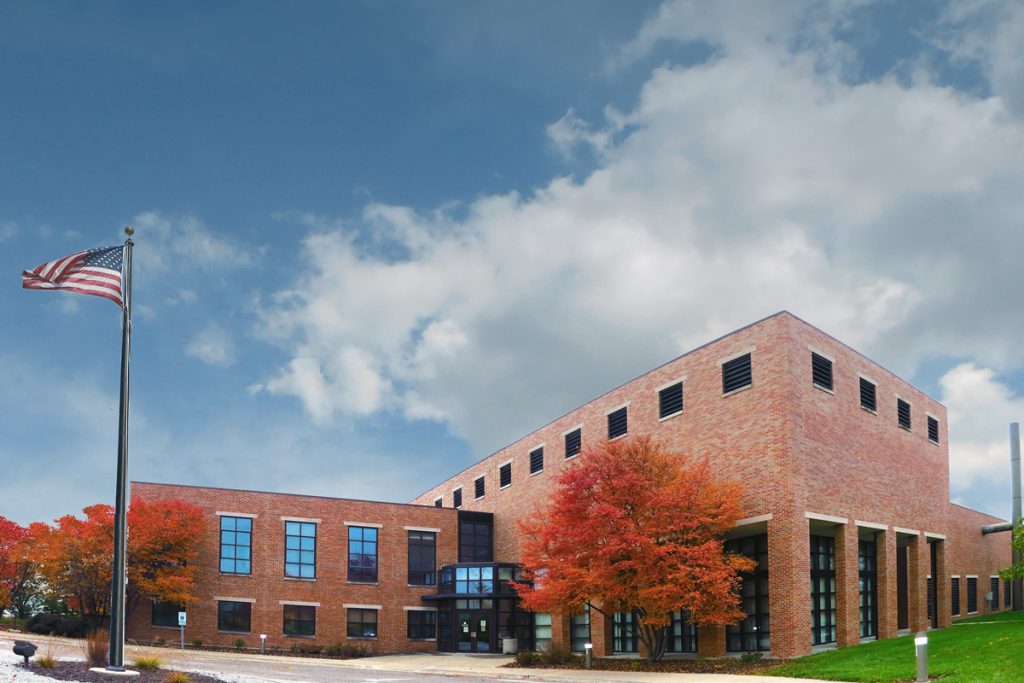
Illinois Sustainable Technology Center Main Office
The Illinois Sustainable Technology Center helps citizens, businesses, and government agencies prevent pollution, conserve resources, and reduce waste.
1 Hazelwood Drive
Champaign, IL 61820
Visit the Illinois Sustainable Technology Center.
Field Stations
PRI field stations offer opportunities for long-term monitoring, hands-on training for students, and direct engagement with decision makers and the general public.
Natural History
Forbes Biological Station
Havana, IL
Forbes Biological Station specializes in wetlands, waterfowl, and other waterbirds. Scientists conduct the longest-running aerial waterfowl survey in North America, with more than 75 years of data.
Learn about more than a century of research at Forbes Biological Station.
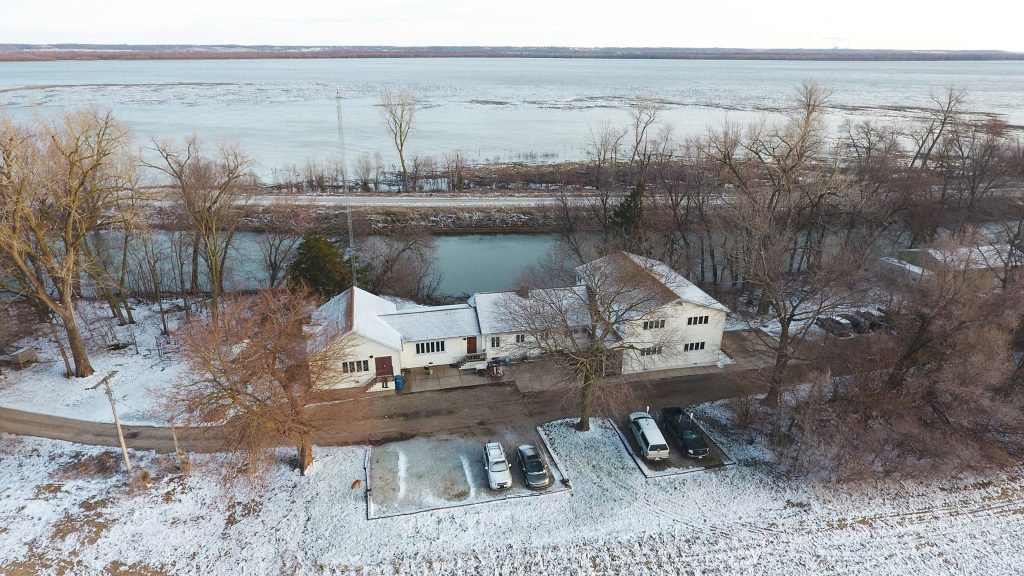
Kaskaskia, Ridge Lake, & Sam Parr Biological Stations
Sullivan, Charleston, and Kinmundy, IL
The Kaskaskia, Ridge Lake, and Sam Parr biological stations support fish and aquatic ecosystem conservation and management, with a focus on rivers and reservoirs. Their staff conducts long-term ecological monitoring of Lake Shelbyville, Ridge Lake, and Forbes Lake, and they track recreational angling at Ridge Lake for one of the world’s longest-running creel surveys.
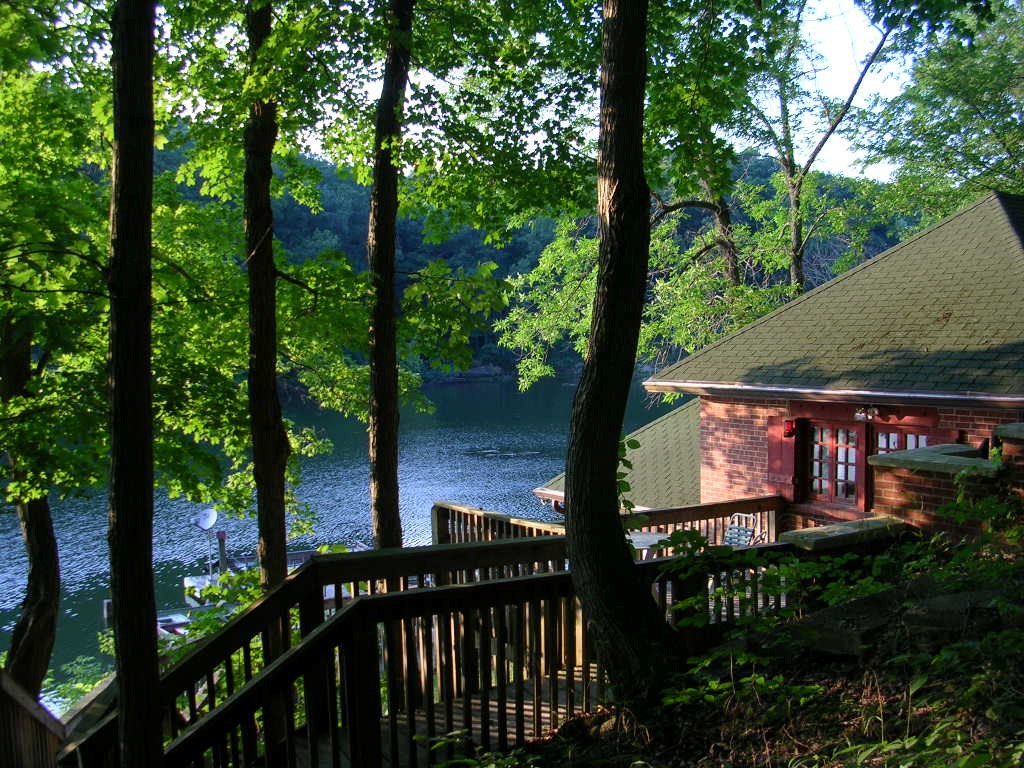
Great Rivers Field Station
Alton, IL
Great Rivers Field Station conducts long-term fish and water quality monitoring in the Upper Mississippi River. Staff also study invasive species, including bigheaded carps and zebra mussels.
Illinois River Biological Station
Havana, IL
Illinois River Biological Station conducts long-term monitoring of fish and water quality in the Illinois and Mississippi rivers. Staff use genetic and modeling techniques to monitor invasive carp reproduction, assess methods that could halt the spread of invasive carp, and study how invasive carps affect native fisheries.
Lake Michigan Biological Station
Zion, IL
Lake Michigan Biological Station helps guide the management of Lake Michigan’s recreational and commercial fisheries. Staff support native species restoration and work to prevent the spread of aquatic invasive species.
Climate Monitoring
Illinois Climate Network
20 locations across Illinois
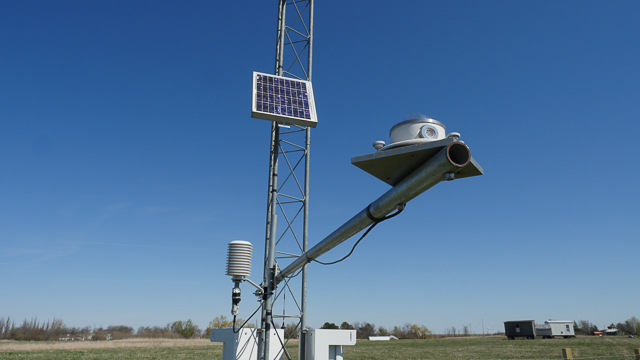
The Illinois Climate Network conducts long-term monitoring of Illinois water, soil, and climate. Federal and state agencies, along with thousands of Illinoisians in agriculture, renewable energy, and construction, use these data, including growing and pest degree days, soil temperature and moisture, water table levels, and in-stream sediment.
Learn about the Illinois Climate Network station in Coles County.
Geology
Lake Michigan Field Office
Winthrop Harbor, IL
The Lake Michigan Field Office measures, monitors, and maps the Illinois Lake Michigan coast. Staff collect data on shoreline position, land and lake-bottom elevation, sediment types, geologic structures, potential hazards, waves, currents, and other hydrodynamic conditions.
Preliminary Environmental Site Assessment Program Offices
Chicago, Lisle, and Carterville, IL
The Preliminary Environmental Site Assessment Program collects geologic and environmental data for properties and studies historic and current land use and site conditions. The program provides technical expertise for the Illinois Department of Transportation to help protect worker and public safety, reduce liability, and limit project delays.
Southern Illinois Field Office
Carbondale, IL
The Southern Illinois Field Office conducts paleontological, critical minerals, and basic geology research, along with geologic mapping. Staff also assess groundwater needs and geohazards, including coal subsidence, sinkholes, and landslides in southern Illinois.
Archaeology
American Bottom Field Station
Collinsville, IL
American Bottom Field Station completes surveys, test excavations, and full-scale excavations. Staff study effects of ancient climate change on the precolonial city of Cahokia and related Indigenous farming practices. The station is home to PRI’s Collaborative Research Engagements with Tribal Nations program.
Central Illinois Field Station
Urbana, IL
Central Illinois Field Station conducts surveys and test excavations for the Illinois Department of Transportation. Staff recovers scientific information on the cultural histories of precolonial-era Indigenous people in northern Illinois and early historic-era immigrant farmers. Staff also conducts zooarchaeological analysis.
Northern Illinois Field Station
Elgin, IL
Northern Illinois Field Station performs surveys, test excavations, and full-scale site excavations for the Illinois Department of Transportation and the Forest Preserve of Cook County. This work sheds light on the cultural histories of precolonial-era Indigenous peoples of northern Illinois.
Western Illinois Field Stations
Macomb and Jacksonville, IL
The Western Illinois Field Stations conduct surveys, test excavations, and full-scale data-recovery excavations for the Illinois Department of Transportation. Staff study the cultural histories of precolonial-era Indigenous people in western Illinois, including recent excavations of small, food-producing settlements dating to 1500 to 500 years ago.